
The dream to cross the Panama Canal had occupied space in my head for seven years and now that it was done, I felt a little bit of “empty space.”
After the high-fives and the smiles, and the beers and the cheers, even the most introverted sailor will hear a little voice. That voice will say:
“Hello, is there anyone out here?”
That voice addresses the amazing cultural and geographical shift that occurs after you pass under The Bridge of the Americas and arrive in Balboa and then Panama City.

What does it mean to cross the Panama Canal?
By crossing the canal, some people will have fulfilled a lifelong dream. In reality, we had actually just moved from one physical space to another, and taken a different route than those in the Caribbean.
This was not the time to wax philosophical about Robert Frost’s poem, “The Road Not Taken.” Instead, I was left with a sense of ‘Now what?’
By crossing the canal, we had separated ourselves not only from our comfort zone, but from our friends in the Caribbean.


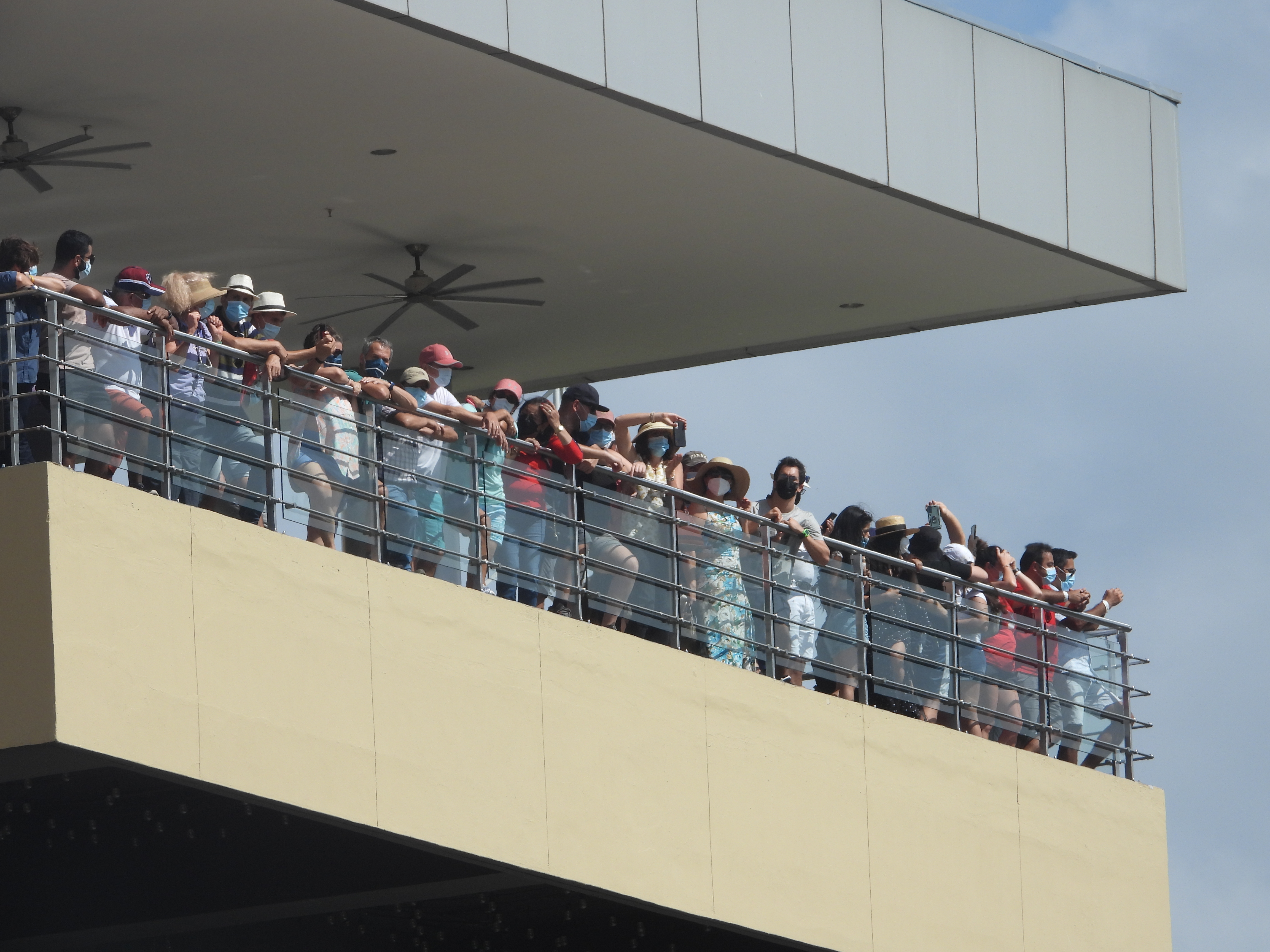
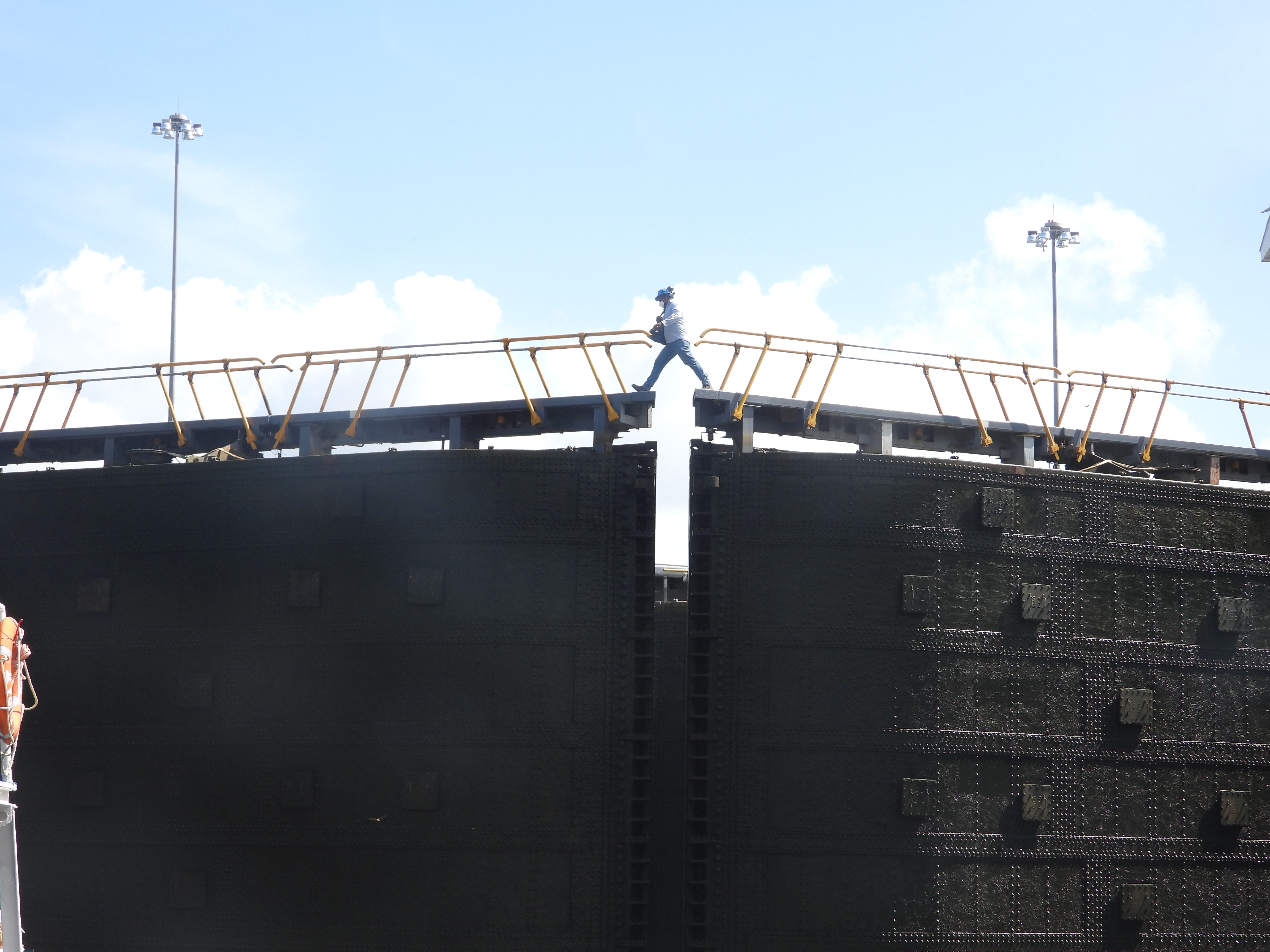
Seven Years of Caribbean Cruising: Life before crossing the Panama Canal
The Caribbean cruising culture is very social. If you need a tool, or expertise, you are bound to find someone who is keen to help out in short order. The population of “kid boats” in Grenada is large enough to support Halloween in the harbour.

There are thousands of cruising boats in the Caribbean. There are organized shopping trips, and in some places, daily radio ‘shows’ with a host and regular content segments.
We were comfortable in the Caribbean. But we were curious and couldn’t resist the lure that would kickstart our circumnavigation by crossing the Panama Canal. The decision was not made lightly. The fees to cross the canal are expensive enough that once we crossed over, we knew we would not be heading back.
A circumnavigation was something we had planned for when we bought our St Francis 50 catamaran, SV Aphrodite in 2015. We bought a blue-water boat, which means that our boat has certain features that make it suitable for crossing large oceans. It is not a floating condo.
But, despite being in our plans, there was something about actually crossing the canal that felt very committing.
Caribbean Culture vs. Panama City
In Panama City the cruiser vibe is a little different than the Caribbean.
For starters, people who cross the canal have places to go, especially if they are sailing with an organized rally. This is a blue-water boat scene. You won’t find someone transiting in a pontoon converted RV-style setup. This makes it a little less colorful, actually. I missed the harbours where someone has been living on a shoestring and gathering trinkets from the trash to make their own haven.
Panama City is not a potluck, beach bar, cruisers’ hangout with an open-mike night. This scene can be found a day-sail away at Vista Mar Marina. However, if you go there, you can expect the swell to chafe through your mooring lines. Even with a rock wall, it’s quite unprotected.
Instead, the sailing culture is that of a bigger city, which happens to be Panama City. Panama City is similar in appearance to Miami. People might be friendly for a time. But, the village, “I’ll see you next week,” camaraderie is gone.

I shall itemize some of the cultural and geographic differences you might experience in Panama City.
What changes on the Pacific Side after crossing the Panama Canal
When I say “culture” I am referring specifically to the cruiser subculture. I am, of course, not addressing, every cultural nuance unique to each Caribbean country that we visited. All this to say, people crossing the Panama canal will make some stark observations once they cross to the Pacific side of the Panama Canal.
Bigger spaces
- you can rent a scooter, or take an inexpensive Uber or use inDrive
- sailing passages tend to be longer
- there is a greater need for self reliance
- there are plenty of huge tankers in Panama. You will not be sailing through the Panama Bay. You will be watching for ships.
Bigger tides
- anchoring needs to factor in that your landscape might ‘disappear’ at low tide. We were honked out of bed one morning by the coast guard boat who thought we were anchored too close to a breakwater.
Fewer cruisers
- dinghy docks are in short supply and you often have to pay to use them
- far fewer “kid boats”
- seek Vista Mar Marina for the “potluck” cruiser experience
Different creatures
- crocodiles: there are crocodiles swimming in Panama and in the canal as well
- bigger, more colorful reef fish
- greater variety of fish
Caribbean books in the marina book exchanges
- after the Panama Canal, cruisers are desperate to lighten their boats. The marina book exchanges will contain every guidebook you have ever bought or wish you had bought while sailing the Caribbean.
Latin American culture and language
- medications can be bought quite easily without prescription. Inexpensive clinics abound and a doctor’s visit in a mall might set you back $3 USD.
- Spanish will help you to communicate, but if you’ve already transited, you’ll have already found ways to tackle the language barrier.
- families socialize at night — it’s cooler than during the day. A city playpark will be bustling with children and their parents at 10 pm on a weeknight.
Bigger city
- there are high-rises, nice roads, huge malls and an expensive, up-market area with luxury boutiques like Chanel.
- provisioning food is excellent — on par with Costco in North America. I got so carried away that I bought 18 fully-cooked chickens that I deboned and put in our freezer.
Lessons learned
I can’t stress enough, if you have even the slightest nagging doubt about any of your gear, get it fixed before you cross the Panama Canal. After you cross, spare parts become harder to find. We learned this lesson the hard way, after fighting with our Fischer Panda generator for years, and crossing the Panama Canal.
We had even gone so far as to sail from Grenada to Miami to have our 9 kW Fischer Panda Generator serviced under warranty in Miami. Fischer Panda sent a real estate agent who moonlighted as a service tech to our boat, and the story rolls as you would expect from there.
With an unreliable generator, we decided we could not responsibly cross the Pacific Ocean without replacing it. I actually put out a Facebook post asking if anyone had circumnavigated with a Fischer Panda generator. My question was met with laughter emojis and crickets.
We ordered a Northern Lights 9kW generator and had it flown from Florida to Panama. This was a huge expense for our family.

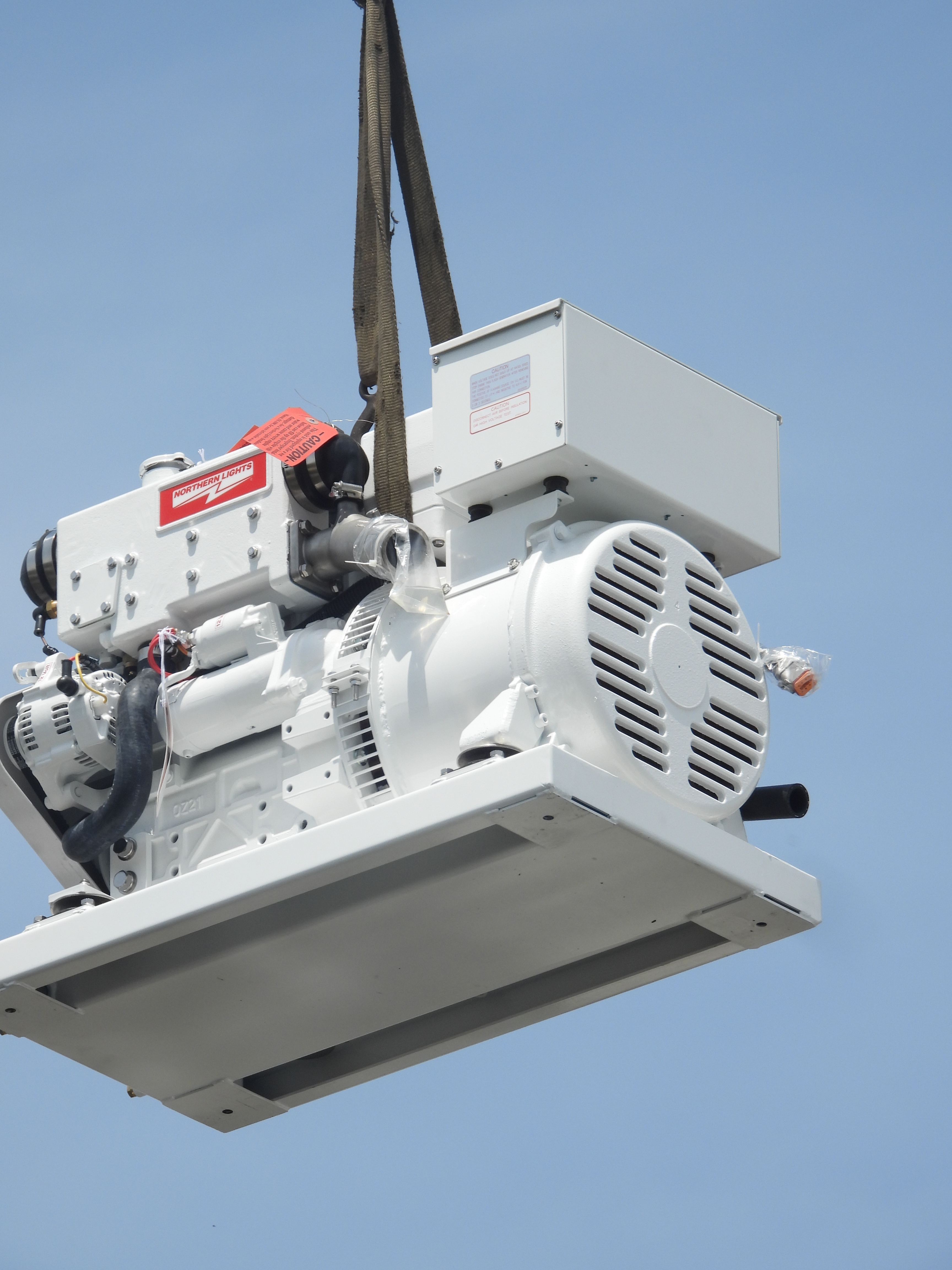
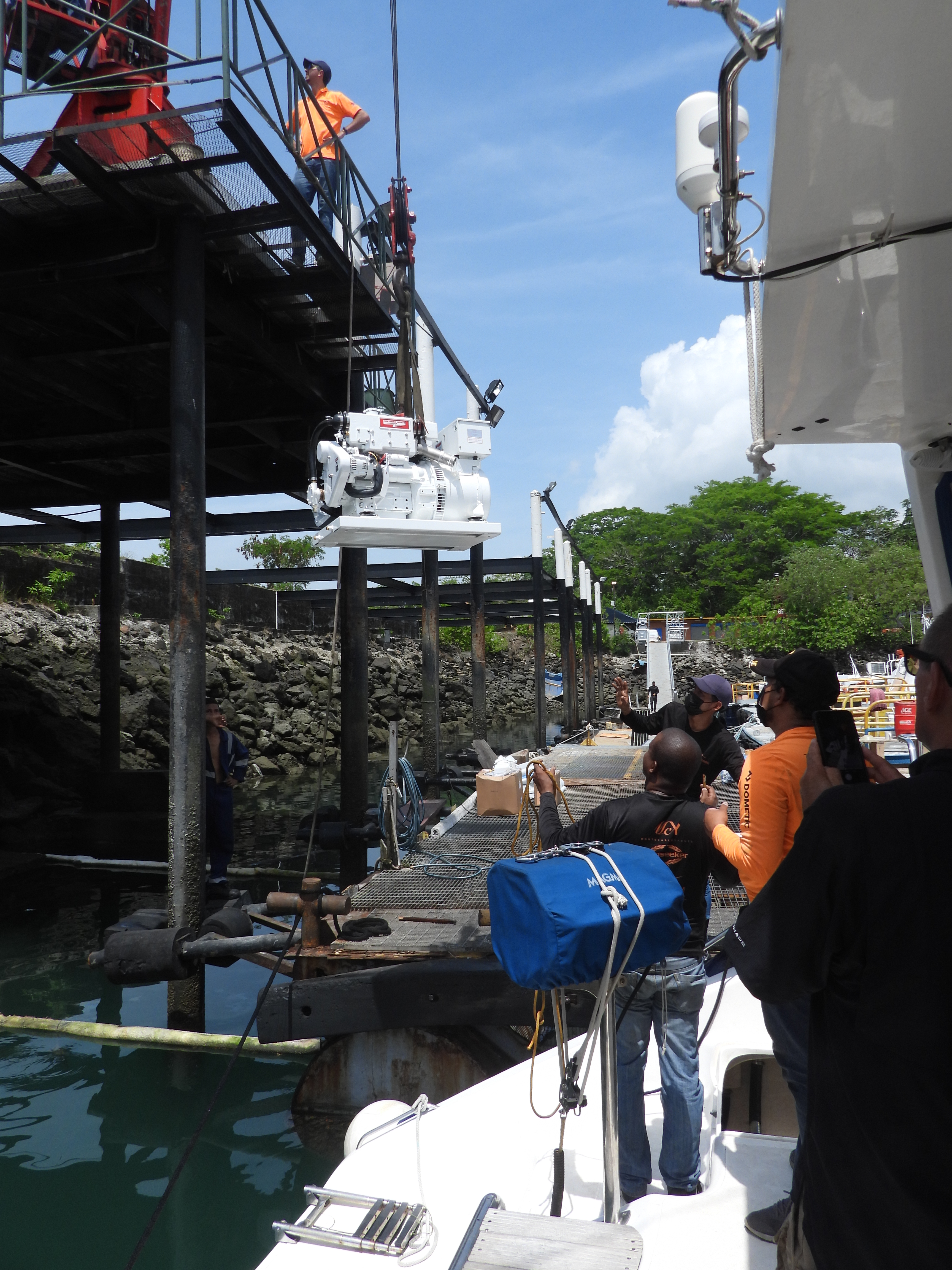

As other sailors left beaming with the excitement of reaching the Galapagos, we remained behind. Although we were waiting for a new generator, it felt a little bit like we were being left behind.
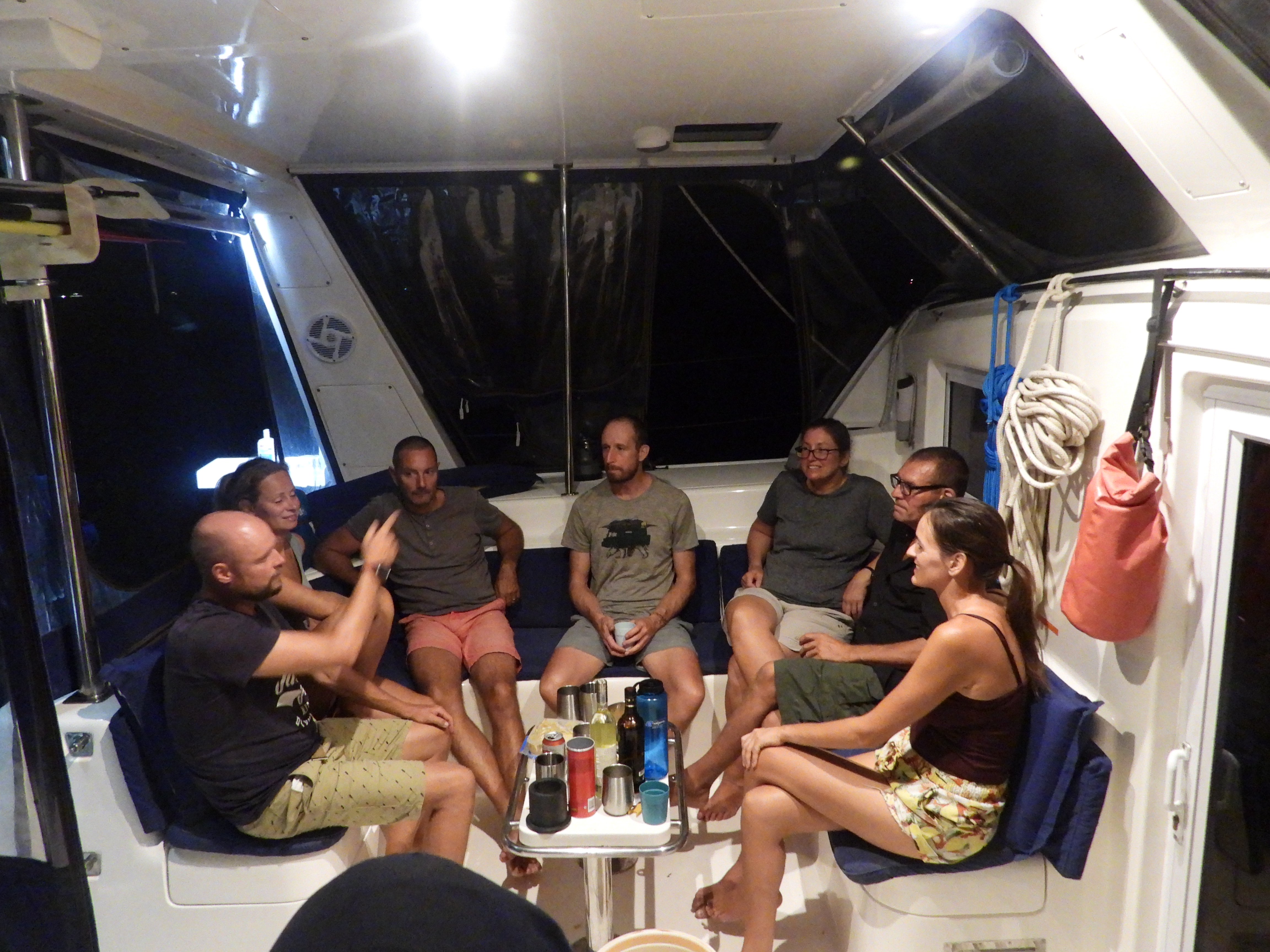
We were in Panama City for weeks before we set off to cross the Pacific. For a time, we worried that we might miss the weather window to cross the Pacific that year at all.
We needn’t have worried. On March 28, 2022 we set out to begin our passage to the Galapagos, French Polynesia, Tonga, New Zealand and beyond.

Rich rewards
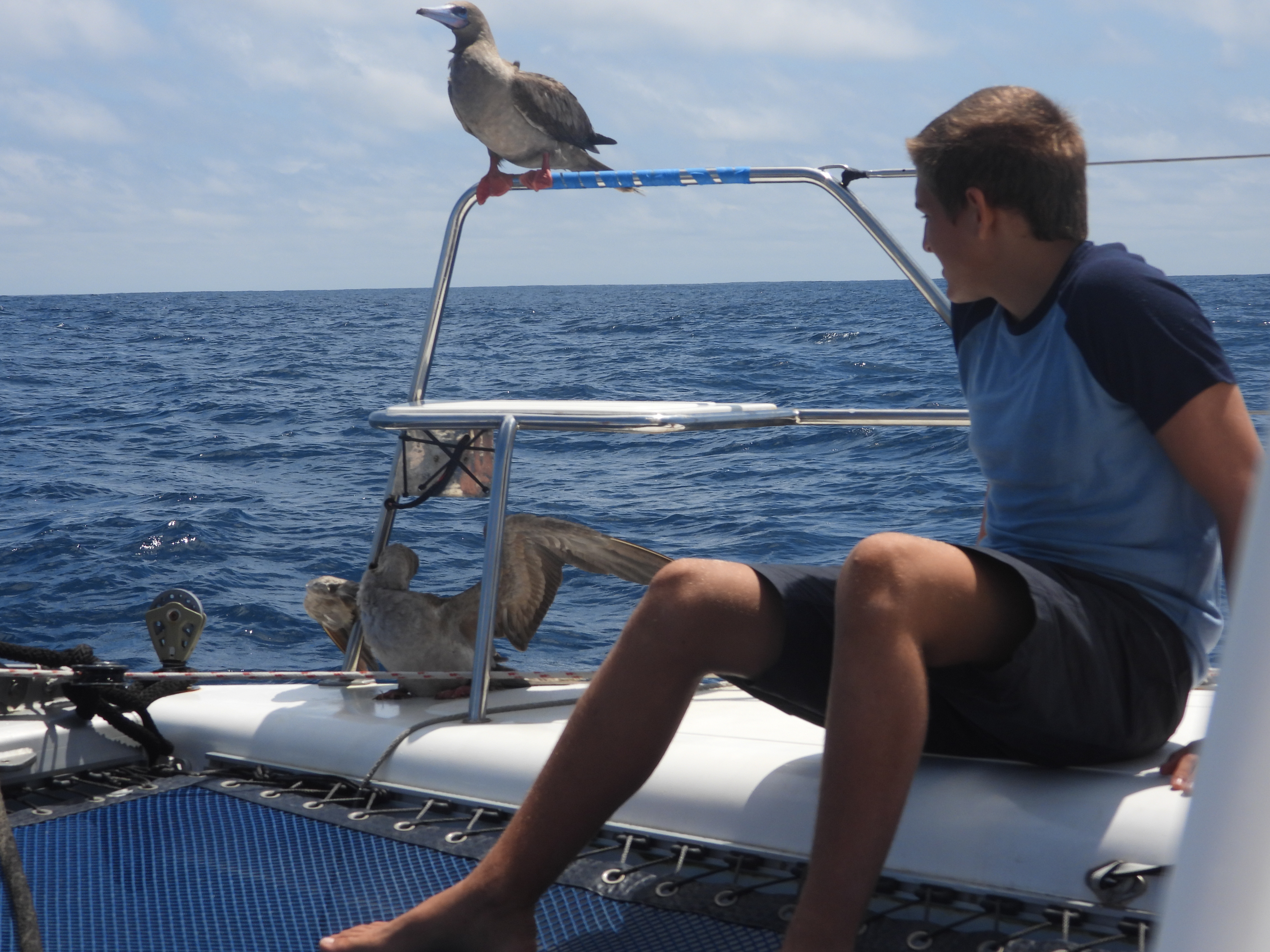
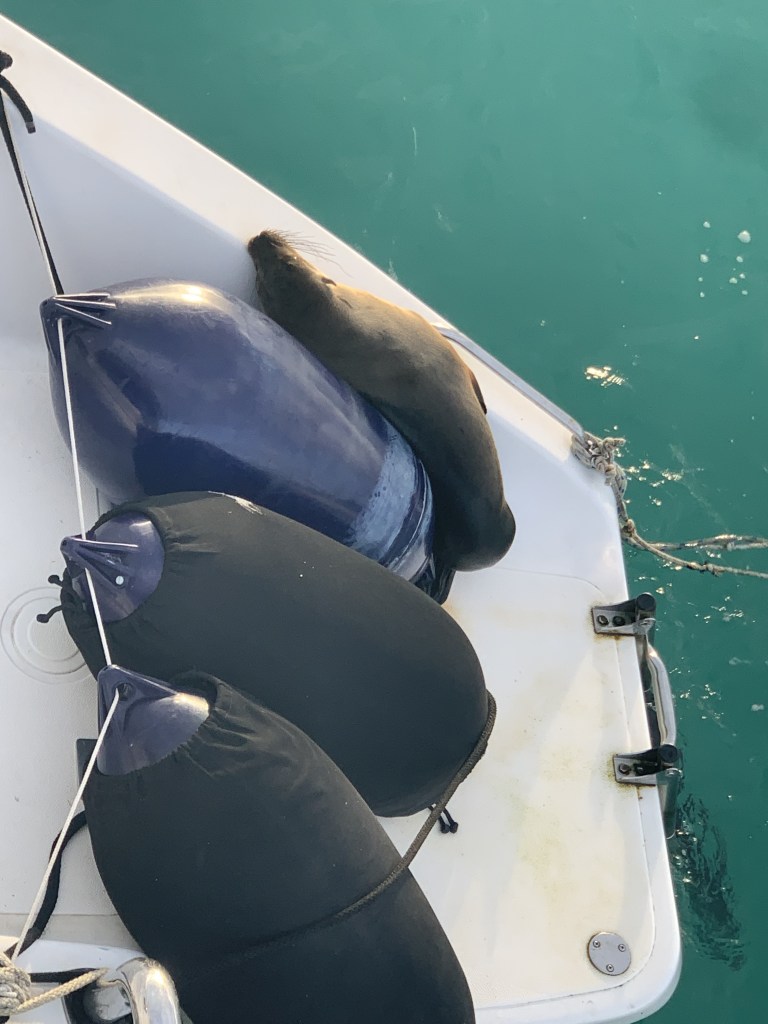
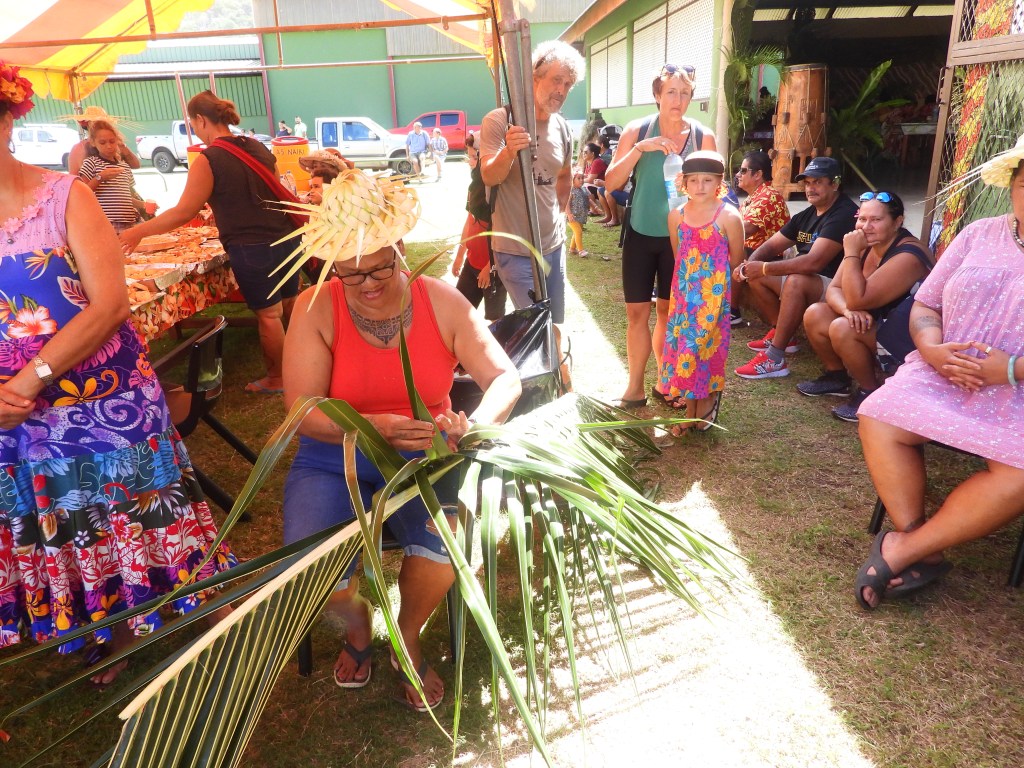
Our eventual leap was a rich reward. From swimming with black-tip sharks, manta rays, penguins, dolphins, huge turtles, humpback whales, octopus on some of the healthiest corals in the world. From visiting countries I’d never heard of, learning about World War II history by swimming over its wrecks to normalizing seeing men dressed in skirts.
We have met the same cruisers again and again as we sail in the same direction and swap stories.
I wouldn’t have it any other way.






Pin it
If you enjoyed this story, you can save it to your own Pinterest board using one of the images below. Thanks for reading and following our journey.
 Becoming a Sailor
Hi Lorraine, I am a long time reader that lives in Russell and I was curious what would it cost to transite the Panama canal for a boat like yours? Keep journaling as it nice to read what a life as a sailor would be like.
Erik
LikeLike
Hello! Thanks for your note and for reading my blog – For a boat like ours, which is 50 feet, it would cost about $3000 US. There are various fees, which increased in January 2025. For example, there is now a booking fee of $500 US, for boats of our length, but if we were a 125 foot boat or longer it would cost $6000 just to book a spot.
https://www.noonsite.com/news/panama-canal-increase-in-booking-slots-and-tariffs-announced/
LikeLike