
In short
When I started learning to sail, the language was the hardest part. In this post I explain the first terms that made sense to me: the forestay and backstay hold the mast up front to back, shrouds hold it side to side, and spreaders and crosstrees support them. Sails can be reefed, or made smaller. I also share why the British say leeward as 'looward'.
Table of Contents
Sailing Terms for Beginners Can Feel Like Another Language
As I mentioned in a previous post, the language of sailing presents a challenging entry point for newbie sailors like me. Sailing terms for “beginners” means nothing when all of the parts are so very foreign.
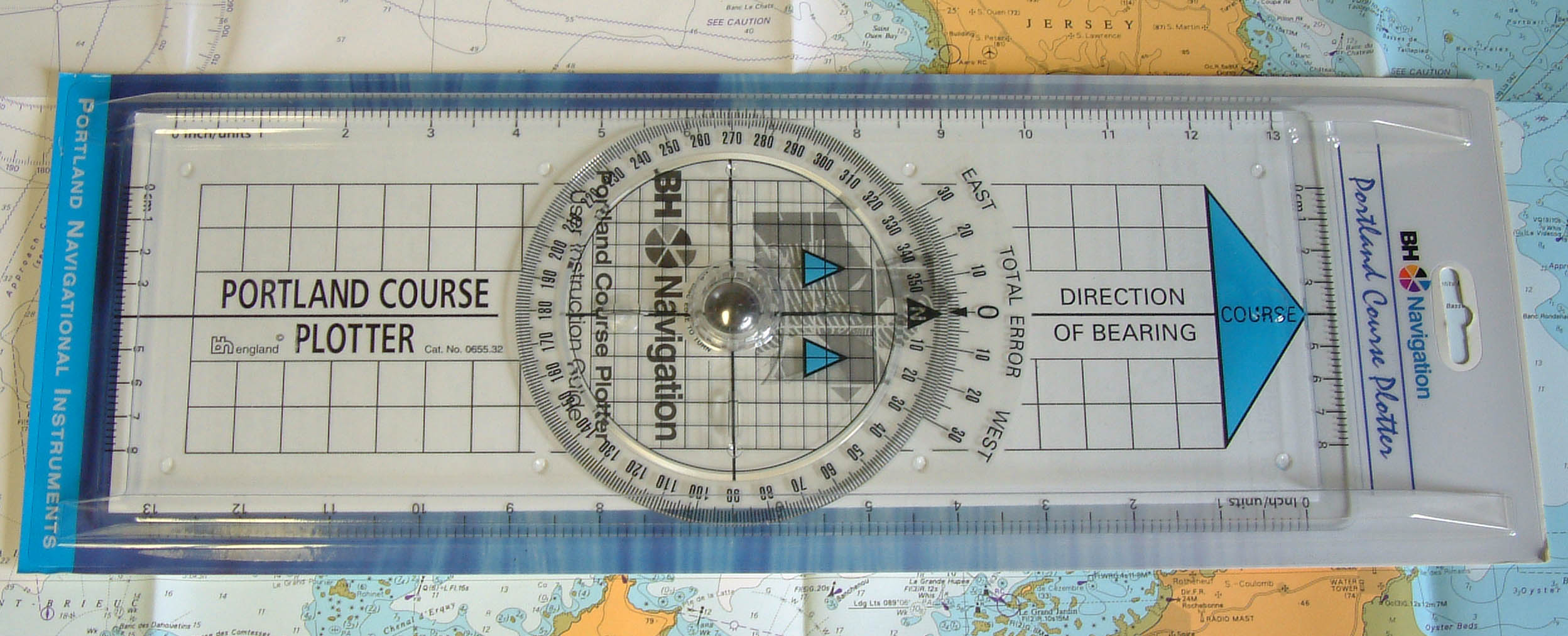
To complicate matters, sometimes many different words are used to refer to the same item. For example, just today, I’ve heard the rotating middle of a Portland plotter referred to as a bezel, protractor, compass, and a “twiddly bit“.
Even the pronunciation of words varies depending on where you live in the world. My RYA on-line Day Skipper theory course, offered out of the UK, would have me say leeward as “looward”. But, to me that pronunciation sounds like a swashbuckling pirate.
Here in North America, I think I’ll stick with long-e “leeward” pronunciation and see where that gets me.
Learning the Parts That Hold a Sailboat Together
Previously, my impression of sail boats had been child-like drawings of mast and sail, and a confusing amount of ropes going every which way. Even after attending the US Sail Boat show in Annapolis, MD, I was surprised to consider the engineering that goes into building a boat.
I didn’t know, for example, that the mast does not support itself, the forestay and backstay are needed to keep the mast aloft (front to back). And, the shrouds, previously known to me as something worn by the dead (funeral shrouds) are actually strong lines that support the mast from side to side.
Likewise, I had never noticed the modern-day spreaders on the mast that add support to the sails. I had associated crosstrees — the horizontal struts that anchor the shrouds — with Disney-like pirate ships, not modern-day catamarans.

Discovering That Sails Can Be Reefed
Another surprise to me was that the sail size itself can be adjusted — reefed, if you will. I had thought a sail was either up or down. No in-betweens or variants.
Adjusting the sails seems obvious in hindsight. Fortunately, this learning came to me at the same time that my husband was sail racing for the first time at the Mount Gay Rum Round Race 2015 with Ondeck sailing. His experience with the coffee-grinder winches suggests to me that I will be spending a fair bit of time reefing the sails when I go to Antigua Sailing Week in April 2015.
Learning to Sail From Behind a Computer
I recognize that theory is no substitute for experience. But, I am in Ottawa, Canada right now with many feet of snow on the ground, and a windchill of -25C (-13F). So, theory is where it’s at for me right now. The fantastic thing is that there is no shortage of sailing information available. If I don’t understand something I can search on-line and quickly find answers.
Below is a Youtube video where Mike Whitehouse, Senior Sailing instructor of Halifax, Nova Scotia, describes how to use the Portland Plotter for navigation.
A Beginner’s Glossary of Sailing Terms
Here are the twenty sailing terms I am learning first, with the plainest definitions I could find. Directions come first, because everything else on a boat is described by them.
Port: the left side of the boat when you are facing the bow.
Starboard: the right side of the boat when you are facing the bow.
Bow: the front of the boat.
Stern: the back of the boat. Anything towards the back is “aft”.
Windward: the side of the boat facing the wind, or the direction the wind is coming from.
Leeward: the side sheltered from the wind, facing away from it. (Or “looward”, if you are British.)
Mast: the tall vertical pole that holds up the sails.
Boom: the horizontal pole attached to the mast that holds the bottom edge of the mainsail.
Mainsail: the largest sail, set behind the mast along the boom.
Jib: the triangular sail in front of the mast, also called the headsail.
Shrouds and stays: the wires that hold the mast up, shrouds from side to side, and the forestay and backstay from front to back.
Helm: where you steer the boat, with a wheel or a tiller. Taking the helm means steering.
Line: a rope with a job. Once it is on a boat it is almost never called a rope.
Halyard: the line that raises and lowers a sail.
Sheet: the line that pulls a sail in or lets it out, to set its angle to the wind. (Not a sail, and not bedding.)
Tack: to turn the bow through the wind so that the wind comes over the other side of the boat. It also tells you which side the wind is on: on starboard tack, the wind comes over the starboard side.
Jibe: (gybe in the UK) to turn the stern through the wind, usually when sailing downwind. The boom swings across the boat, so mind your head.
Reef: to make a sail smaller when the wind picks up.
Heel: to lean over sideways under the pressure of the wind. Catamarans like ours heel very little.
Twiddly bit: any part whose proper name you haven’t learned yet.